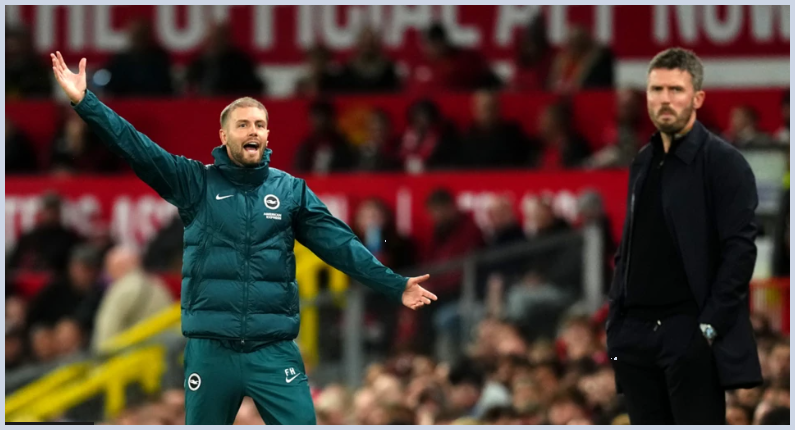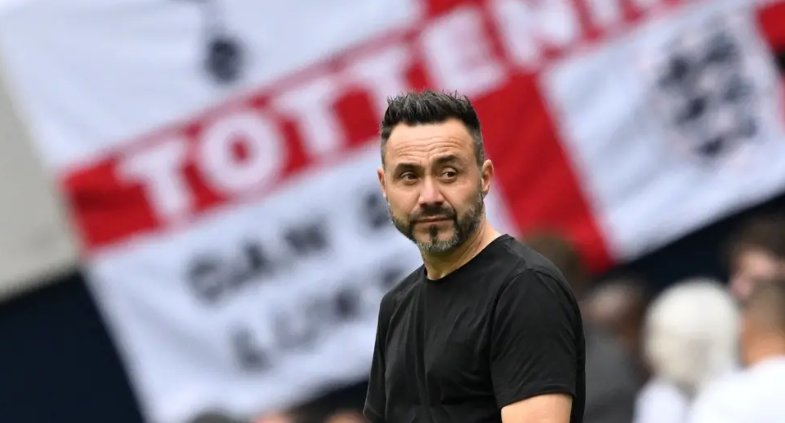
Tony Pulis believes Tottenham’s recent warm-weather trip to Marbella will have given Roberto de Zerbi more than a chance to work on fitness and tactics. In his view, taking a squad away early in the season can help a manager understand the personalities, habits and character of a largely new group.
Spurs have brought in several players during the summer, some of them late in the transfer window, so Pulis argues that the camp made sense. He expects De Zerbi to have used both training sessions and time away from the pitch to establish his tactical ideas while learning more about his squad.
A Different Era of Bonding
Pulis recalls that, during his time as Stoke City manager, he regularly took teams to Austria in pre-season for similar reasons. The aim was not only to improve conditioning, but also to see how players responded to challenges and whether they were willing to put the collective before themselves.
He says those demanding 10-day trips revealed which players had the resilience and mentality he wanted. Players who did not show the required character did not remain part of his squads for long, although Pulis insists he holds no grudges against those who moved on.
Modern camps, by contrast, tend to offer luxury hotels, high-quality facilities and extensive support staff. Pulis contrasts that with his own early playing days, when Blackpool pre-season trips involved shared beds in a guesthouse, early morning runs on the beach and seven-a-side matches on a local park pitch.
Evenings were often spent having a few drinks, with players expected only to be ready for training at 8am the following day. Pulis says that reflected a broader drinking culture in English football during the 1970s and 1980s, when players were generally more connected to everyday life than today’s highly protected professionals.
Army Camps and Alpine Training
Pulis also recalls more extreme methods from his managerial career, including army-style camps designed to test players physically and mentally. One trip to Exmouth involved cold, wet cross-country circuits, climbing, and swimming through a dark underwater tunnel, followed by problem-solving team exercises indoors.
Later in his career, he favoured Irdning in the Austrian Alps, a location he used repeatedly with different clubs. He describes it as ideal for training because of its facilities and mountainous terrain, although he jokes that his first visit could have become a disaster when his Stoke players asked to borrow the team bus for a night out.
Aware of the group’s fondness for a good time, Pulis says he quietly paid the driver to avoid taking them too far from the hotel. The players eventually worked out what he had done, but he believes they still enjoyed themselves while remaining within sight of the manager.
City, PSG and Off-Field Concerns
Pulis also reflects on Manchester City’s Champions League meeting with Paris Saint-Germain, describing it as an entertaining, old-fashioned contest full of crosses, shots and attacking intent. He felt City showed greater urgency after half-time and were unfortunate not to take something from the game.
However, he believes the wider discussion around City cannot ignore the club’s recent guilty verdict over Premier League financial-rule breaches. City have appealed the independent commission’s decision, but Pulis argues that the situation has damaged confidence in the competition and raised questions about why the process took so long.
He questions why senior Premier League figures continued presenting trophies to City during the period under investigation, and says the fallout has created an unwelcome shadow over English football.