Germany's disappointing 2026 FIFA World Cup campaign has once again plunged the national team into uncertainty, leaving supporters wondering whether a managerial change is now inevitable.
After suffering a shock penalty-shootout defeat to Paraguay in the Round of 32, Germany recorded another unwanted milestone by losing its first-ever World Cup shootout. The result has reignited questions about the future of head coach Julian Nagelsmann, while speculation surrounding Jurgen Klopp continues to gather momentum.
For many fans, replacing the manager now appears to be the quickest route toward rebuilding confidence in one of football's most successful nations.
Germany's World Cup Struggles Continue
Germany entered the tournament with ambitions of challenging for the title but instead endured another painful exit on the global stage.
Since lifting the FIFA World Cup trophy in 2014, the four-time champions have struggled to replicate their former dominance. They failed to progress beyond the group stage in both 2018 and 2022 before crashing out in the first knockout round in 2026.
The latest setback has only strengthened concerns that German football is losing ground against its international rivals.
While the Bundesliga remains one of Europe's strongest domestic competitions, with packed stadiums and healthy fan engagement—the national team has failed to translate that success onto the international stage.
Nagelsmann Refuses to Walk Away
Despite growing criticism, Nagelsmann has made it clear that he has no intention of resigning.
Following Germany's elimination, the 38-year-old insisted he would not abandon the project simply because of one disappointing tournament.
"I'm not someone who runs away," the former Bayern Munich coach said after the defeat.
However, his response has done little to ease the frustration among supporters, many of whom believe Germany requires fresh leadership after another underwhelming major competition.
Nagelsmann has also faced criticism for his public communication style, with some fans viewing his media appearances as overly defensive during difficult moments.
Tactical Decisions Under the Spotlight
The coach's tactical choices have become a major talking point.
Among the most debated decisions was recalling veteran goalkeeper Manuel Neuer, who returned to the international setup at the age of 40 but struggled to consistently convince throughout the tournament.
Nagelsmann also deployed Joshua Kimmich at right-back instead of his preferred central midfield role, a move many supporters and pundits questioned.
His continued reliance on experienced players such as Leroy Sané and Leon Goretzka has also drawn scrutiny, with critics arguing that Germany should have placed greater faith in its younger generation.
Bright Young Talent Offers Hope
Despite the disappointing results, Germany is not short of exciting prospects.
Creative midfielder Florian Wirtz, rising star Jamal Musiala, and highly rated Bayern Munich youngster Lennart Karl represent a new generation capable of restoring optimism.
However, many observers believe the national team currently lacks the depth of elite talent that defined previous successful eras.
Germany has overcome similar challenges before.
Following disappointing performances at the 1998 World Cup and UEFA Euro 2000, the German Football Association (DFB) introduced sweeping reforms to youth development and coaching education.
Those changes eventually helped produce the team that became world champions in 2014.
Whether the federation is prepared to launch another long-term rebuilding project remains one of the biggest questions facing German football.
Kimmich Defends the Coach
While criticism has intensified around Nagelsmann, captain Joshua Kimmich believes the responsibility should be shared across the entire squad.
"The reality is that we couldn't give our supporters what they deserved," Kimmich admitted.
"It's disappointing because this was an opportunity to give the country something to celebrate, and we fell short."
His comments reflected a dressing room willing to accept responsibility rather than placing all the blame on the coaching staff.
Nevertheless, many supporters believe leadership ultimately rests with the manager.
German Media Demand Change
Germany's newspapers reacted harshly to the defeat.
Bild described the elimination as "another football nightmare" and called for serious consequences after what it labelled an embarrassing performance.
Former Germany defender Mats Hummels, writing as a columnist, argued that both the coaching staff and the federation must carefully evaluate what went wrong.
Other publications echoed similar sentiments.
Die Welt referred to the defeat as a humiliation, while Der Spiegel suggested Nagelsmann had become too focused on individual mistakes without recognizing the broader problems affecting the team.
Even political reaction generated debate.
German Chancellor Friedrich Merz praised the players for their commitment despite the defeat, but his message received criticism from several commentators who felt it underestimated the seriousness of Germany's latest World Cup failure.
Klopp's Name Refuses to Go Away
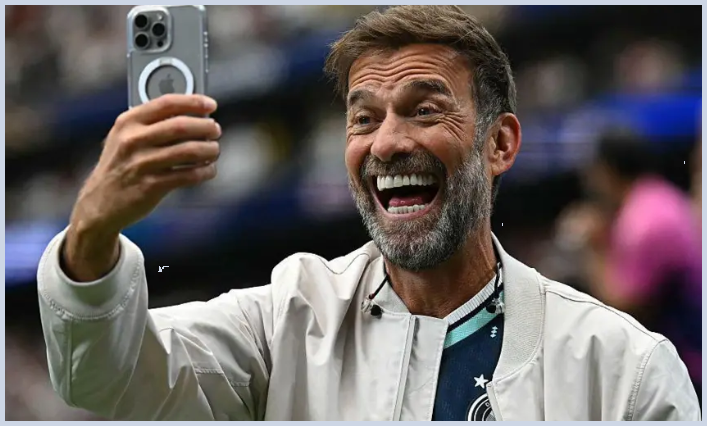
As criticism of Nagelsmann grows, one name continues to dominate the conversation: Jurgen Klopp.
The former Liverpool and Borussia Dortmund manager has been working as a television analyst during the World Cup, winning praise for his insight, personality and connection with supporters.
Earlier in the tournament, Klopp inadvertently fueled speculation after joking that Nagelsmann would "still" be the person selecting Germany's lineup.
Although he quickly apologized for the remark, it further strengthened the belief among many fans that he could eventually become the national team's next manager.
Klopp currently serves as Head of Global Soccer for Red Bull, overseeing football operations across the company's network of clubs.
While he has repeatedly rejected a return to club management, including reported interest from Real Madrid, international football may present a different challenge.
Throughout his coaching career, Klopp transformed Borussia Dortmund into Bundesliga champions and ended Liverpool's long wait for a Premier League title while also guiding the club to UEFA Champions League glory.
Those achievements have convinced many supporters that he possesses the leadership and charisma needed to rebuild Germany.
A Defining Decision Awaits
Nagelsmann remains under contract until after UEFA Euro 2028, meaning dismissing him would come at a considerable financial cost for the DFB.
However, after another disappointing World Cup campaign, the federation faces a difficult choice.
Should it continue backing a young coach who insists he can turn things around, or make a bold move by pursuing one of Germany's most respected football minds?
For now, Jurgen Klopp remains only a possibility. But as frustration grows across the country, his name continues to symbolize hope for supporters desperate to see Germany return to the top of world football once again.