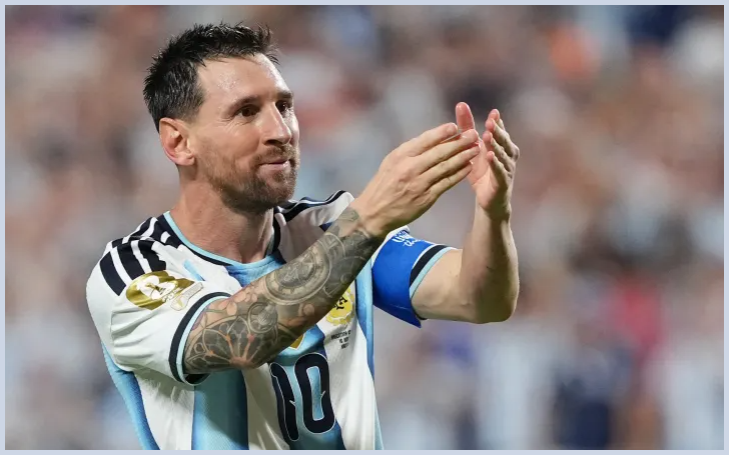
As someone who follows football almost every day, I can honestly say that transfer windows have become just as exciting as the matches themselves. There was a time when transfers were relatively straightforward. A club needed a striker, they signed one. A midfielder wanted a new challenge, negotiations happened, and the deal was done.
Today, however, the football transfer market has evolved into a fascinating mix of data analysis, financial strategy, social media influence, and global scouting. For fans and sports bettors alike, understanding these changes can provide valuable insights into how teams are built and how future performances may unfold.
That's exactly why the new transfer market trends every fan should watch deserves attention. These trends are not only changing football clubs but also influencing sports betting markets, football predictions, player valuations, and the overall competitive landscape.
Data Analytics Is Driving Recruitment Decisions
One of the biggest developments in modern football is the growing reliance on data analytics.
Gone are the days when scouts simply attended matches and relied solely on their instincts. Clubs now use advanced statistics to evaluate players before making transfer decisions. Metrics such as expected goals (xG), expected assists (xA), progressive passes, pressing efficiency, and defensive actions have become crucial factors.
I remember discussing a transfer rumor with friends last summer. Many believed a player wasn't good enough because his goal tally seemed average. Yet the underlying numbers revealed he was creating numerous chances and performing exceptionally well in key areas. Months later, after his transfer, he became one of the league's standout performers.
For bettors, understanding these advanced statistics can uncover opportunities before the wider market catches on.
Younger Players Are Becoming Premium Assets
Another trend reshaping football is the focus on young talent development.
Rather than spending huge sums on established stars in their late twenties, clubs are increasingly targeting players aged between 18 and 23. These players offer long-term value, resale potential, and greater room for development.
The modern transfer market rewards clubs that identify future stars early. Teams across Europe now invest heavily in youth scouting networks and academy partnerships.
This trend creates exciting opportunities because emerging players often adapt quickly and can dramatically improve a team's prospects after arriving.
Multi-Club Ownership Is Expanding
One trend many fans overlook is the rise of multi-club ownership models.
Several football groups now own clubs across different countries and continents. This structure allows organizations to move players between affiliated clubs, develop talent more efficiently, and identify transfer opportunities internally.
From a sporting perspective, this can accelerate player growth. A young prospect may gain valuable experience at one club before progressing to a bigger stage within the same ownership network.
For football enthusiasts, it means transfers are becoming increasingly strategic rather than purely reactive.
Saudi Arabia's Influence Continues to Grow
Few developments have generated more headlines than the emergence of Saudi Arabia as a major force in global football transfers.
The Saudi Pro League has attracted world-class players with ambitious projects, competitive salaries, and long-term investment plans. While some initially viewed the movement as temporary, it has become clear that Saudi clubs intend to remain significant players in the transfer market.
Their influence affects transfer negotiations worldwide. European clubs now face increased competition when attempting to retain players or negotiate new contracts.
As a result, player valuations and wage expectations continue to evolve.
Financial Sustainability Matters More Than Ever
Modern football clubs can no longer spend without considering financial consequences.
Regulations surrounding financial sustainability, club revenues, and wage structures are shaping transfer strategies across Europe and beyond.
Many clubs now prioritize smart recruitment over blockbuster signings. Loan deals, performance-based bonuses, and structured payment plans have become increasingly common.
This approach often creates more balanced squads while reducing financial risk.
For fans, it means transfer activity may appear quieter on the surface but is often more sophisticated behind the scenes.
Social Media Is Influencing Transfer Narratives
A decade ago, transfer rumors were largely controlled by newspapers and television broadcasts.
Today, platforms such as social media have transformed how transfer news spreads.
A single post can spark widespread speculation within minutes. Players, agents, journalists, and fans all contribute to the conversation, creating unprecedented levels of engagement.
I've personally experienced situations where a rumor seemed certain because it dominated social media discussions, only for the move to collapse entirely days later.
This highlights the importance of separating genuine information from speculation.
Artificial Intelligence Is Entering Football Recruitment
One of the most fascinating developments is the growing use of artificial intelligence in football recruitment.
AI-powered systems can analyze thousands of players worldwide, identifying patterns and potential targets that traditional scouting methods might overlook.
Clubs can evaluate performance trends, injury risks, tactical suitability, and development potential more efficiently than ever before.
This technology is helping teams discover hidden gems in smaller leagues and emerging football markets.
As AI continues to improve, its influence on transfer decisions is expected to grow significantly.
Versatile Players Are Increasingly Valuable
Modern managers prefer players who can perform multiple roles.
A footballer capable of operating in several positions offers tactical flexibility and greater squad depth. Consequently, versatile players are attracting more attention in transfer windows.
Whether it's a defender who can play in midfield or an attacker comfortable across the front line, adaptability has become a highly prized attribute.
This trend reflects the increasingly tactical nature of modern football.
Why Fans and Bettors Should Pay Attention
Transfer activity doesn't simply affect club finances, it impacts team chemistry, tactical systems, player performance, and betting markets.
A single signing can transform a club's fortunes. Likewise, losing a key player can significantly weaken a team's chances of success.
By understanding the new transfer market trends every fan should watch, supporters gain deeper insight into how football is evolving. Meanwhile, sports bettors can make more informed decisions by identifying how transfers may influence future performances.
The modern transfer market is no longer just about buying and selling players. It has become a complex ecosystem driven by analytics, technology, financial planning, and global ambition. Those who understand these trends will be better positioned to appreciate where football is heading next.