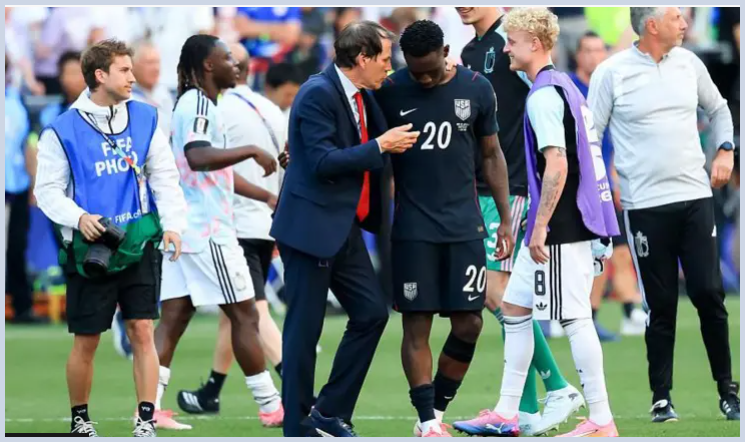
The USA World Cup campaign came to an abrupt and painful conclusion after a humiliating 4-1 defeat to Belgium in the Round of 16. What began as a tournament filled with optimism, passionate home support and dreams of making history ended with disappointment, defensive mistakes and lingering questions over the impact of the Folarin Balogun controversy.
For weeks, the United States had captured the imagination of football fans across the country. Packed stadiums, vibrant fan zones and growing belief suggested this could be the tournament that elevated American soccer to a new level. Instead, the campaign ended in frustrating fashion, leaving supporters wondering what went wrong.
A promising journey ends on a sour note
Seattle Stadium provided a spectacular backdrop before kick-off. Fireworks, smoke displays, patriotic celebrations and a military flyover created an atmosphere worthy of a host nation chasing its biggest football achievement. However, that excitement gradually disappeared as Belgium took complete control of the contest.
The 4-1 defeat became the United States' heaviest World Cup loss since 1990. Long before the referee signalled full-time, thousands of disappointed supporters were already making their way to the exits after Belgium's fourth goal confirmed the end of America's tournament. For co-hosts hoping to lift the trophy for the first time, the Round of 16 exit was a crushing setback.
The Balogun controversy dominated the build-up
While the United States had impressed throughout the tournament with fearless attacking football, attention shifted dramatically before the Belgium clash because of Folarin Balogun.
The striker had received a straight red card during the previous match following a challenge on Bosnia-Herzegovina defender Tarik Muharemovic. Under normal circumstances, the dismissal would have resulted in an automatic one-match suspension.
Instead, FIFA stunned the football world by suspending the ban for 12 months, allowing Balogun to remain available. The decision sparked widespread debate.
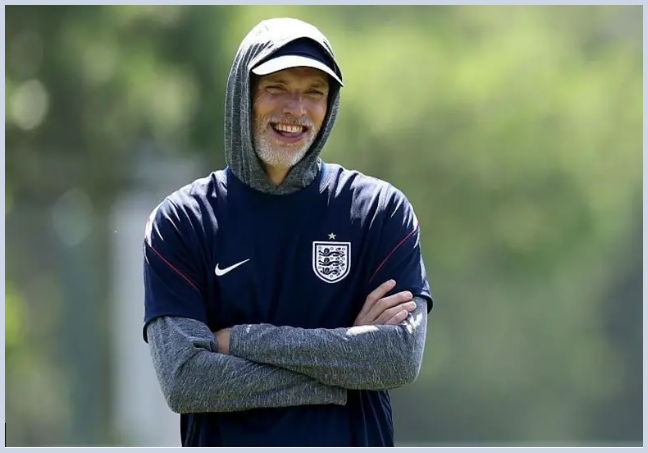
Criticism came from UEFA, Belgium's camp and England manager Thomas Tuchel, while the controversy even reached the political stage after United States President Donald Trump publicly revealed he had asked FIFA to review the incident because he believed it should never have been considered a foul.
Speaking before the match, Balogun admitted he understood why opinions were divided. He explained that he accepted both the original red card and FIFA's later decision to overturn the suspension, insisting there was little else he could add.
Belgium also appeared motivated by the situation. Defender Timothy Castagne remarked before kick-off that much of the football world seemed to be supporting Belgium against the tournament hosts.
Mauricio Pochettino dismisses controversy as an excuse
Despite the enormous attention surrounding Balogun, United States coach Mauricio Pochettino refused to blame the controversy for his team's disappointing display.
The Argentine insisted the result had nothing to do with outside distractions. According to Pochettino, the team simply failed to perform.
He also expressed disappointment over the hostile treatment Balogun received online, arguing that the federation merely followed the rules by appealing the suspension, while FIFA ultimately made the final decision. Balogun himself struggled to influence the game despite entering the match with three tournament goals.
Following the final whistle, Belgium manager Rudi Garcia revealed that the American striker approached him after the game. Garcia comforted Balogun, making it clear that he was not responsible for the events surrounding the controversial ruling.
Defensive errors cost the United States dearly
Although Balogun attracted much of the pre-match attention, the decisive factor was the United States' poor defending. Belgium punished almost every defensive lapse.
The opening goal came when Charles De Ketelaere escaped his marker inside the penalty area to score from close range.
After the Americans briefly restored parity, they immediately surrendered momentum. De Ketelaere once again outmuscled defenders to head Belgium back in front within moments of the equaliser.
The third goal effectively ended the contest. Goalkeeper Matt Freese hesitated after rushing outside his area, allowing De Ketelaere to dispossess him before Hans Vanaken calmly finished into an empty net from distance.
Confidence visibly drained from the American players and supporters alike.
Substitute Romelu Lukaku completed the scoring in stoppage time, prompting even more fans to leave the stadium before the final whistle.
Fans and coach acknowledge disappointing display
Supporters admitted Belgium fully deserved victory. Many pointed to careless mistakes, poor decision-making and a lack of urgency throughout the match.
Several fans felt the United States never displayed the hunger needed in such an important knockout fixture, while others praised Belgium's ability to silence the home crowd and control proceedings.
Pochettino agreed with much of that assessment. He admitted his players never established any rhythm from the opening minutes and noted that even after finding an equaliser, they immediately lost concentration by conceding again.
For the coach, it was simply one of those performances where nothing clicked.
What does this mean for soccer in the United States?
Despite the painful exit, the tournament may still leave a lasting positive legacy.
Interest in football surged throughout the competition. Stadiums filled consistently, sports bars attracted huge crowds, and United States jerseys became a common sight nationwide.
Captain Tyler Adams believes the campaign should not be judged solely by one disappointing result. He argued that every team experiences difficult days and hopes the national team's journey has inspired a new generation of young footballers across the country. Many supporters shared that optimism.
Some described the World Cup as a landmark event that generated unprecedented excitement for soccer in America, while others acknowledged that the nation still has significant work to do before matching traditional football powers with deeply rooted sporting cultures.
Pochettino's future remains uncertain
One major question now concerns Mauricio Pochettino's future. His current contract expires at the end of the World Cup, and the former Tottenham manager offered no indication about whether he intends to continue.
Instead, he explained that both he and the federation would take time to reflect before discussing the next steps. For now, uncertainty surrounds both the coach's future and the direction of the national team.
Although this World Cup campaign ended painfully, it also highlighted the growing popularity of football in the United States. Whether this defeat becomes a stepping stone or a missed opportunity will depend on how American soccer responds in the years ahead.