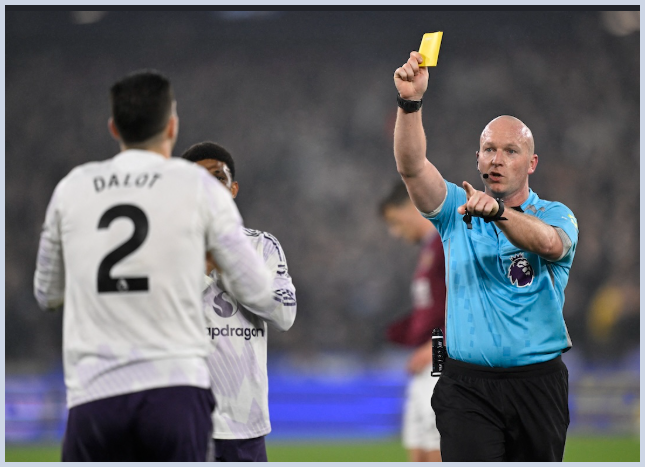
If there’s one betting angle I’ve learned to respect over time, it’s predicting referee card patterns. It might not be as glamorous as picking match winners or correct scores, but trust me, once you understand how referees influence games, you start seeing opportunities others completely miss.
I remember one weekend while checking my usual forebets today, I noticed something odd. Two evenly matched teams were facing off, and while most punters focused on goals, I dug deeper into the referee assigned to the match. His average? Over 5 yellow cards per game. That small detail completely changed my betting angle, and yes, it paid off.
Why Referee Card Patterns Matter
Football isn’t just about players; referees play a massive role in how games unfold. Some are strict, quick to flash cards, while others prefer to manage games with warnings. When you’re predicting referee card patterns, you’re essentially tapping into a hidden layer of data that many bettors overlook.
For example, a derby match combined with a strict referee often leads to high card counts. It’s not guesswork, it’s data meeting context.
Key Factors I Always Check
When I’m analyzing matches for yellow card overs, I don’t rely on luck. I follow a few consistent steps:
1. Referee Statistics
First, I check the referee’s average yellow cards per match. If a referee consistently gives 4–6 cards per game, that’s a strong signal. This is often more reliable than team stats alone.
2. Match Intensity
Is it a rivalry? A relegation battle? High-stakes matches naturally produce more fouls and tensions. Pair that with a strict referee, and you’re looking at a strong over.
3. Team Discipline Records
Some teams are simply more aggressive. I look at fouls committed, previous card counts, and even player behavior. Teams that press hard or defend physically tend to rack up bookings.
4. Recent Trends
Form isn’t just for goals. I also check how many cards teams have picked up in their last 5 matches. This aligns well with tools like forebet prediction today and helps refine my selections.
Combining Data with Betting Platforms
I’ll be honest, tools like forebet football prediction have made analysis easier. While they focus heavily on match outcomes, I use them as a starting point. Then I layer my own insights on top, especially for card markets.
During a recent forebet weekend, I spotted a match predicted to be tight and defensive. Instead of betting on goals, I checked the referee, another high-card official. The result? Seven yellow cards. That’s the kind of edge you’re looking for.
My Personal Approach to Yellow Card Overs
Over time, I’ve developed a simple mindset: don’t force it. Not every match is worth betting on. When predicting referee card patterns, patience is everything.
I usually shortlist 3–5 matches per weekend where:
- The referee averages high card counts
- Both teams show aggressive tendencies
- The match has something at stake
From there, I pick the best value odds. Sometimes I win, sometimes I learn, but I rarely feel like I’m gambling blindly.
Final Thoughts
At first, predicting referee card patterns felt like a niche strategy. But today, it’s one of the most reliable tools in my betting routine. It adds depth to your analysis and helps you move beyond basic predictions.
The next time you’re scanning through forebets today or preparing for the forebet weekend, take a moment to check the referee. That one detail could be the difference between a missed opportunity and a smart win.