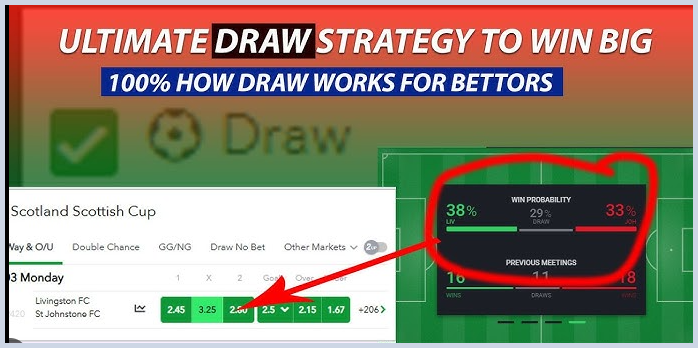
If you’ve ever bet on football matches or simply tried to predict outcomes, you’ll know that draws are the trickiest results to call. That’s exactly why developing a solid draw prediction strategy can be a game-changer. I used to avoid draws entirely, they felt too unpredictable, but over time, I realized they’re not random at all. With the right approach, you can spot patterns and significantly improve your prediction accuracy.
Let me walk you through how I personally identify high-probability draw matches, using a mix of data, instinct, and lessons learned from following forebets today and other prediction platforms.
Why Draws Are Often Overlooked
Most bettors focus on outright wins. It’s natural, we like certainty. But here’s the thing: bookmakers already account for that bias. Odds on draws are often more attractive because fewer people bet on them. That’s where opportunity lies.
I remember a weekend when I was scanning forebet weekend predictions. Several matches stood out as tight contests, yet most people around me were confidently picking winners. I decided to trust my gut and data, three of those games ended in draws. That was the moment I started taking draw prediction strategy seriously.
1. Look for Balanced Teams
The first thing I check is team strength. When two sides are closely matched in quality, a draw becomes more likely. This doesn’t just mean league position, it’s about recent form, squad depth, and even playing style.
For example, when mid-table teams face each other, especially those with similar goal differences, I immediately consider the possibility of a stalemate. These are the kinds of fixtures often highlighted in forebet football prediction platforms.
2. Analyze Recent Form Carefully
Form is everything in football. But instead of just looking at wins and losses, I dig deeper into patterns.
If both teams have been drawing frequently in recent matches, that’s a strong signal. Also, if a team tends to score and concede equally, it often leads to balanced outcomes.
I once ignored this factor and picked a “clear winner” based on reputation alone. The match ended 1-1. Since then, I’ve learned that numbers rarely lie when building a reliable draw prediction strategy.
3. Pay Attention to Head-to-Head Records
Some teams just cancel each other out. It’s fascinating.
When I see a fixture where past meetings have repeatedly ended in draws, I take it seriously. This is especially common in local derbies or rivalries where neither side wants to lose.
Platforms offering forebet prediction today often highlight such trends, but I always double-check the data myself. Patterns over time can reveal hidden consistency.
4. Consider Playing Styles
This is one of my favorite parts of analysis.
When two defensive teams meet, the game often becomes a tactical battle with limited chances. On the other hand, two attacking teams can also draw if they’re equally strong, think of those intense 2-2 matches.
Understanding how teams approach games has helped me improve my prediction accuracy more than anything else. It’s not just about stats; it’s about how those stats translate onto the pitch.
5. Factor in Motivation and Context
Not every match is played with the same intensity.
Toward the end of the season, for instance, teams fighting relegation might settle for a draw rather than risk losing. Similarly, in cup competitions or two-legged ties, teams may play cautiously.
I’ve seen matches where both teams clearly aimed to avoid defeat rather than push for victory. Recognizing these situations is key to refining your draw prediction strategy.
6. Use Prediction Tools Wisely
I regularly check forebets today and similar platforms, but I never rely on them blindly. Think of them as guides, not guarantees.
Forebet weekend predictions, for example, can highlight potential draw matches based on algorithms. I combine that with my own analysis to make a final call.
This balance between data and personal judgment has made my predictions more consistent over time.
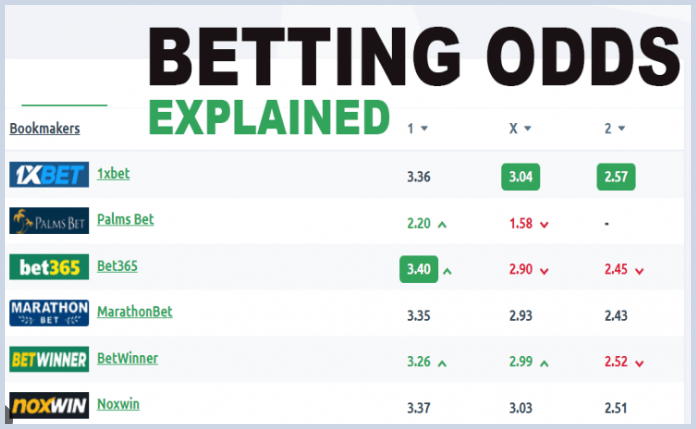
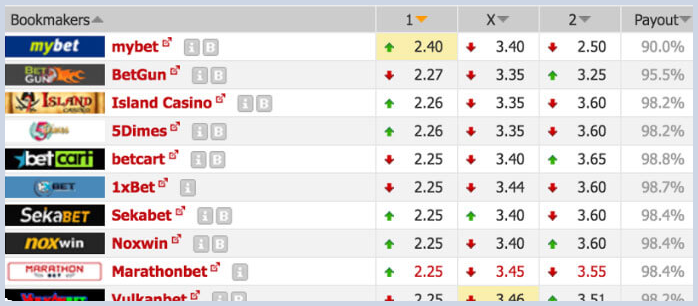
7. Watch the Odds Movement
Odds can tell a story.
If the odds for a draw start dropping, it often indicates that more people, or even insiders, are backing that outcome. While it’s not foolproof, it’s another useful piece of the puzzle.
I’ve learned to trust these subtle shifts, especially when they align with my own analysis.
Final Thoughts: Trust the Process
Developing a successful draw prediction strategy isn’t about luck, it’s about patience and pattern recognition.
I’ll be honest: I still get it wrong sometimes. Football is unpredictable, and that’s part of its beauty. But by focusing on balanced teams, analyzing form, studying head-to-head records, and using tools like forebet prediction today, I’ve seen a noticeable improvement in my results.
If you’re just starting out, don’t rush. Take your time, study matches, and keep refining your approach. The more you practice, the sharper your instincts will become.
And who knows? The next time everyone else is chasing a winner, you might quietly cash in on a perfectly predicted draw.